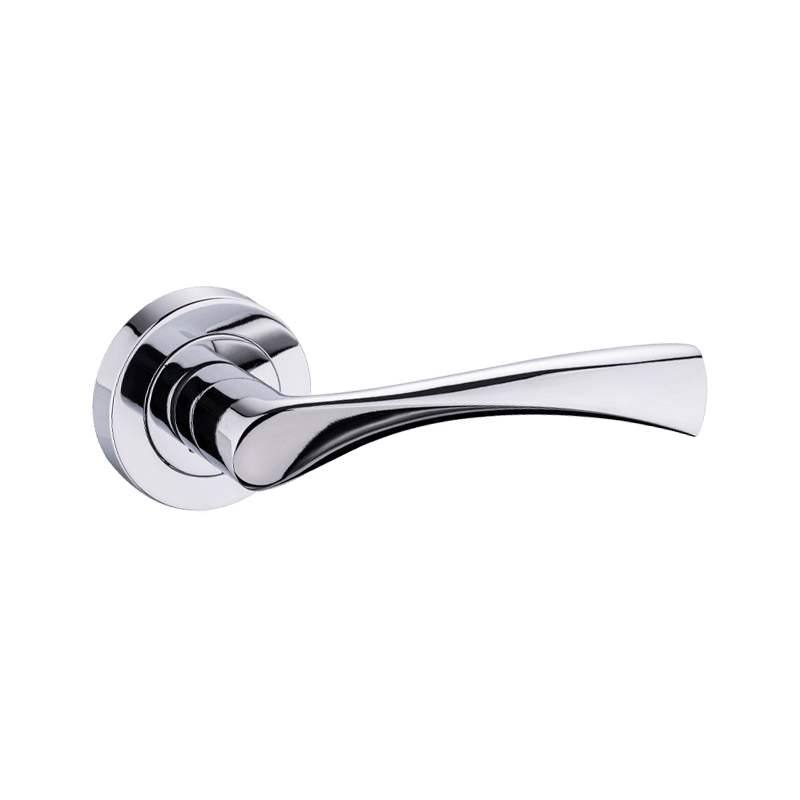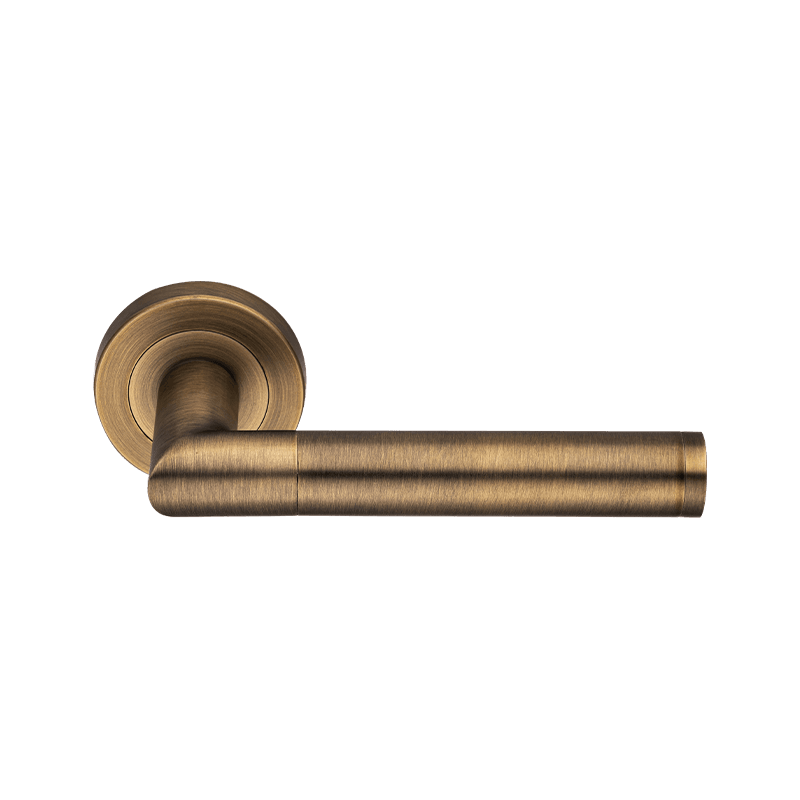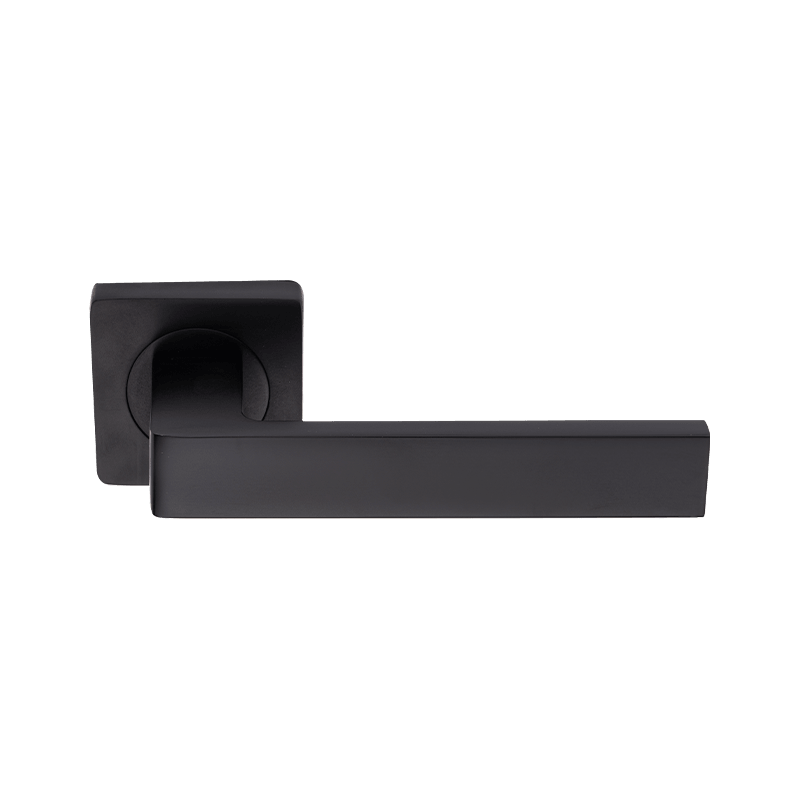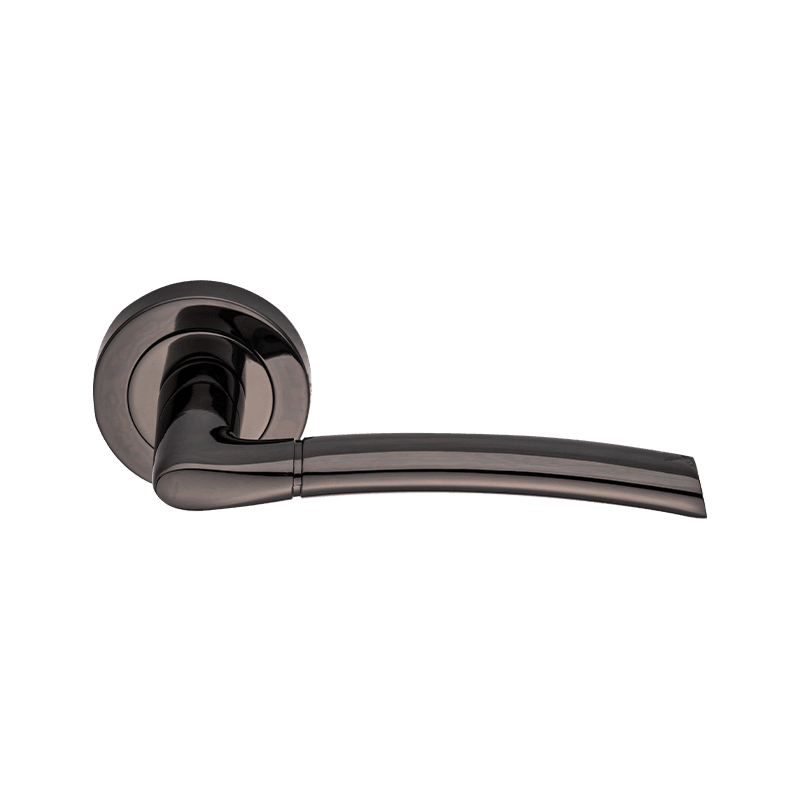
Changing a bathroom door handle takes 15 to 30 minutes and requires only a screwdriver and, in some cases, a small flathead or Allen wrench. Remove the old handle by unscrewing the visible screws or releasing a hidden set screw, pull both handle halves free from the spindle, and fit the new handle in reverse order — making sure the latch mechanism aligns correctly with the door frame strike plate.
According to the National Association of Home Builders, door hardware — including handles and locksets — is among the top five most frequently replaced fixtures in residential bathrooms, with an average replacement cycle of 7 to 12 years due to finish wear, mechanical failure, or style updates. Yet despite being one of the most common home improvement tasks, a surprising number of homeowners call a locksmith or handyman for a job that costs under $10 in parts and takes less time than a trip to the hardware store.
This guide walks through the complete process of changing a bathroom door handle — from identifying your handle type and buying the correct replacement, to removing the old unit, fitting the new one, and troubleshooting common problems. Every step is explained in practical detail, with specific measurements and tool requirements so you know exactly what you need before you start.
No prior DIY experience is required. If you can use a screwdriver, you can complete this job successfully.
What Type of Bathroom Door Handle Do You Have?
Identifying your existing bathroom door handle type before purchasing a replacement is the single most important step — buying the wrong style or backset measurement is the leading cause of failed DIY handle replacements.
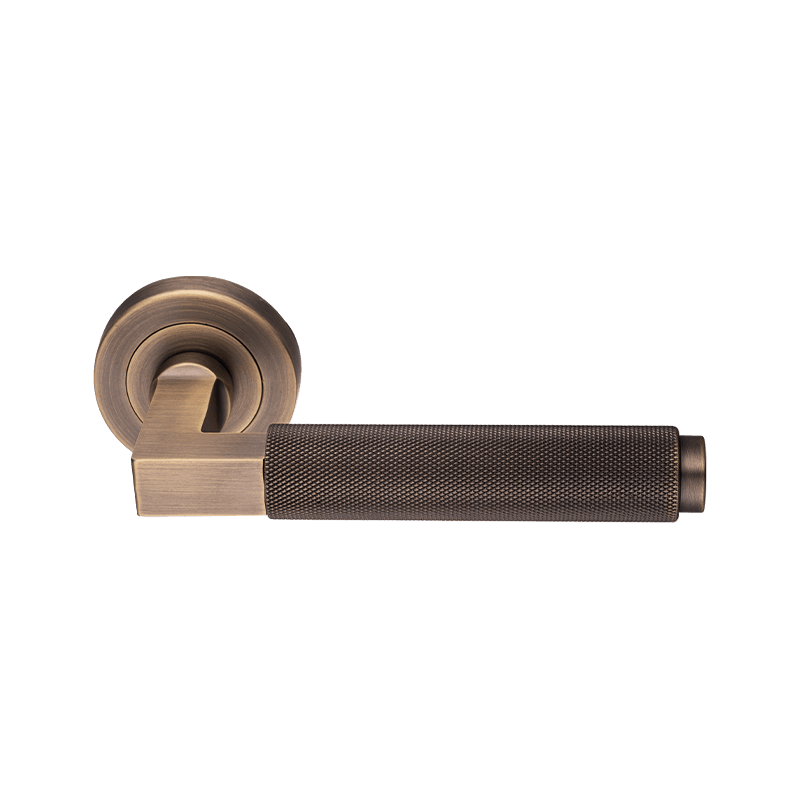
Bathroom door handles fall into four main categories, each with a distinct removal method and replacement compatibility:
| Handle Type | How It Locks | Fastening Method | Common Use |
| Privacy lever / knob set | Push-button or thumb-turn on inside | Through-bolts or set screw | Standard bathroom / toilet door |
| Passage lever / knob set | No lock — latch only | Through-bolts or set screw | En-suite with separate lock |
| Euro cylinder (keyed or thumb-turn) | Cylinder lock body within lever plate | Concealed bolts through rose plate | UK / European bathroom doors |
| Pull handle (no latch) | Separate bolt or no locking | Two screws through door face | Sliding or barn-style bathroom doors |
Table 1: Common bathroom door handle types, their locking mechanisms, fastening methods, and typical applications
Measuring the Backset: The Critical Dimension
The backset is the distance from the edge of the door to the center of the bore hole where the handle spindle passes through. In the United States, the two standard backsets are 2-3/8 inches (60 mm) and 2-3/4 inches (70 mm). In the UK and Europe, 44 mm and 57 mm are the dominant standards. Most replacement handle sets are adjustable to fit both common backsets.
Measure your existing backset before purchasing. Use a tape measure from the door edge to the center of the spindle hole. If your measurement does not match either standard size, you may have a non-standard door or an older installation that requires a handle set with an adjustable latch — these are widely available but must be specified when purchasing.
Tools and Materials You Need Before You Start
Gathering everything before beginning the job prevents mid-task interruptions that cause the most common DIY errors — particularly leaving a bathroom door temporarily without a functioning latch while hunting for a missing tool.
Essential Tools
- Phillips head screwdriver (No. 2): Fits the majority of through-bolt screws on standard handle sets. Have a No. 1 available for smaller set screws.
- Flathead screwdriver (small): Required for prying off decorative cover plates on some handle sets, and for releasing snap-fit rose covers.
- Allen key / hex wrench set: Many modern lever handles use a small hex set screw (commonly 2.5 mm, 3 mm, or 4 mm) concealed beneath the handle or inside the spindle hole to secure the handle to the rose without visible screws.
- Tape measure: For measuring the backset, spindle length, and door thickness before purchasing a replacement.
- Pencil: For marking screw hole positions if drilling new holes is required.
Optional but Useful
- Cordless drill with screwdriver bit: Speeds up screw removal significantly on older handles where screws may be corroded or over-tightened. Use on low torque to avoid stripping screw heads.
- Chisel (small, 12 mm): Needed only if the new latch plate is a different size than the old one and requires an enlarged mortise in the door edge.
- WD-40 or penetrating oil: For corroded screws on old handle sets that resist removal.
- Painter's tape: Protects the door finish around the rose plate when using a screwdriver near a painted or varnished surface.
How to Remove the Old Bathroom Door Handle
Removing an old bathroom door handle correctly requires identifying the fastening method first — attempting to pull or force the handle before releasing the correct fastener is the most common cause of damage to the door face or rose plate.
Method 1: Visible Screw Removal (Most Common)
- Look at the rose plate (the circular or square plate against the door face) on the interior side of the door. If you can see screw heads — typically two Phillips screws — these are the through-bolts that hold both sides of the handle assembly together through the door.
- Unscrew both through-bolts fully. Hold the exterior handle in place as you remove the last screw to prevent it falling and scratching the door or floor.
- Pull both handle sides away from the door simultaneously — they are connected by the spindle bar that passes through the door. The latch body (the mechanism inside the door edge) is separate and remains in the door.
- Unscrew the two screws holding the latch faceplate to the door edge, then slide the latch body out of the mortise hole toward you.
Method 2: Hidden Set Screw (Modern Lever Handles)
- Examine the lever handle closely. Look for a small hole on the underside of the lever neck, or a slot on the side of the rose plate where it meets the door. This conceals either a hex (Allen) set screw or a small flathead slot.
- Insert the correct Allen key or small flathead screwdriver into the hole and turn counterclockwise. Most set screws require a 2.5 mm or 3 mm Allen key. Turn until the screw is loose — you do not need to remove it fully, just release its grip on the spindle.
- Slide the lever handle straight off the spindle once the set screw is released.
- The rose plate beneath may now be visible with screws, or it may be a snap-fit plate that lifts off by inserting a flathead screwdriver into a small notch and twisting gently.
- Remove the rose plate screws, then repeat on the other side of the door. Remove the latch as described in Method 1 Step 4.
Method 3: Euro Plate / Sprung Lever (UK Style)
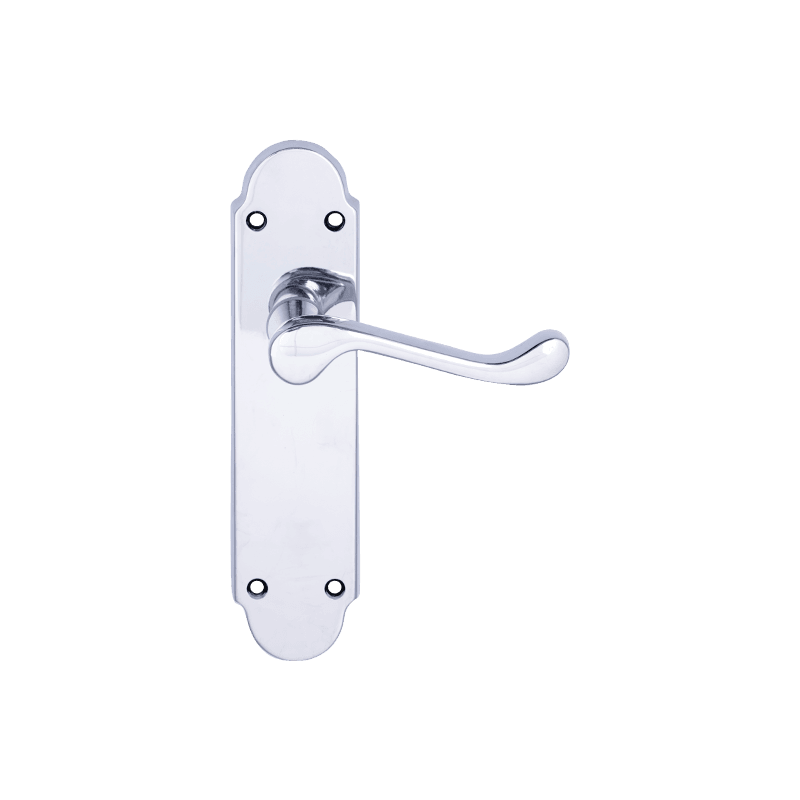
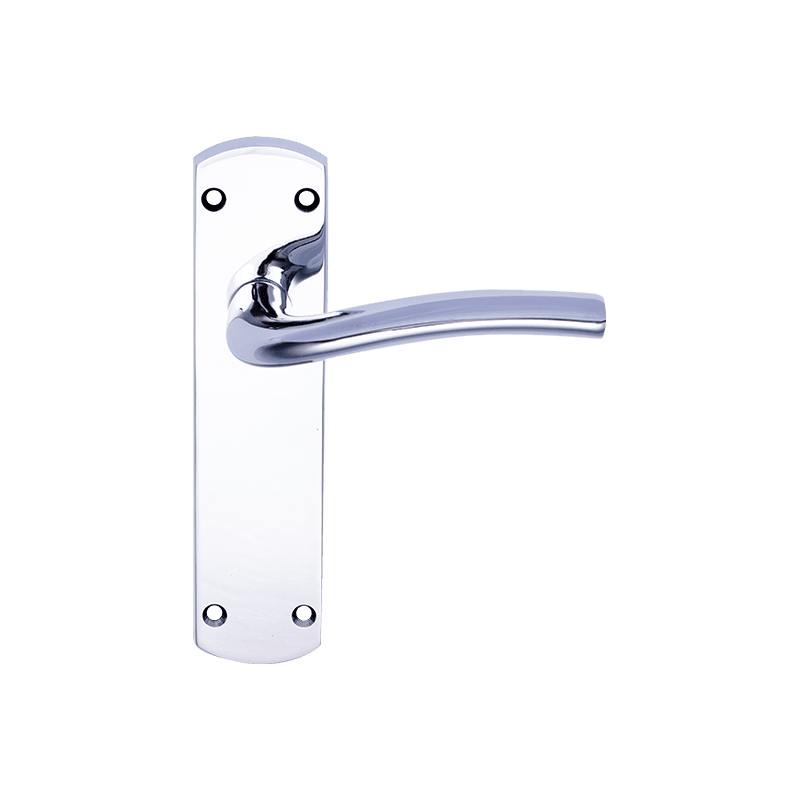
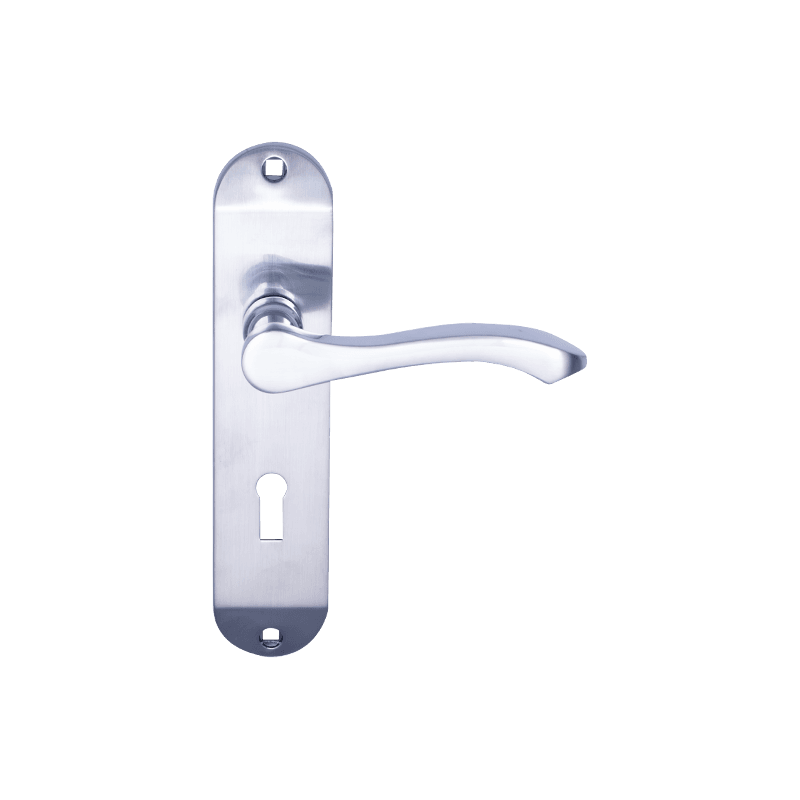
- Euro-style bathroom lever handles typically mount on a long backplate (escutcheon) rather than a round rose. Look for two to four screws along the length of the backplate on the interior face.
- Unscrew the backplate screws — these are through-bolts connecting to the exterior backplate. Support the exterior handle as the last screw is removed.
- Withdraw the spindle bar from the latch mechanism, then remove the latch body from the door edge as before.
- If a thumb-turn privacy lock is integrated into the backplate, it will come away with the plate — no separate step is required.
How to Install the New Bathroom Door Handle
Installing the new bathroom door handle is the reverse of removal — but three specific checks during installation prevent the most common fitting errors: latch direction, spindle length, and screw alignment.
Step 1: Install the New Latch Body
- Check the latch direction before inserting it. The angled face of the latch bolt (the beveled triangular tongue) must face toward the door frame when the door is closed — toward the direction the door swings shut. Inserting the latch backwards is a very common mistake that results in a latch that cannot engage the strike plate.
- If the new latch is adjustable for backset, set it to the correct backset measurement (2-3/8 inch or 2-3/4 inch) before inserting. Most adjustable latches have a sliding mechanism held by a small Phillips screw inside the latch body.
- Slide the latch body fully into the mortise hole in the door edge until the faceplate sits flush with the door edge surface.
- Secure the latch faceplate with its two screws. Do not over-tighten — the faceplate material is often softer metal and strips easily. Snug is sufficient.
Step 2: Fit the Handle Assembly
- Check the spindle bar length against your door thickness. Standard spindle bars are supplied at a length that suits doors between 35 mm and 45 mm thick. If your door is thicker (common in older homes — up to 54 mm), you will need an extended spindle. Most replacement kits include a spindle that can be cut to length with a hacksaw if it protrudes excessively.
- Insert the spindle bar through the square hole in the latch body from one side of the door. The spindle must engage the latch mechanism squarely — you will feel it seat with slight resistance.
- Position the interior handle rose plate against the door face, aligning the screw holes with the through-holes in the door. For handles with a privacy lock (push-button or thumb-turn), ensure the lock mechanism faces inward — toward the bathroom interior.
- Thread the through-bolts by hand through the interior rose plate and door. Have a helper hold the exterior rose in position, or use a strip of painter's tape to temporarily hold the exterior rose while you thread the bolts.
- Fit the exterior handle onto the protruding spindle end and align its rose plate against the door face.
- Tighten the through-bolts evenly — alternate between the two screws in small increments to keep both rose plates pulling flat and parallel. Over-tightening on one side causes the rose to cant, leaving a visible gap on the opposite edge.
Step 3: Test Before Closing the Door
- Operate the handle through its full range of motion before closing the door. The latch bolt should retract fully and smoothly when the handle is depressed. If it sticks or requires excessive force, check that the spindle is seated squarely in the latch body and that the through-bolts are not over-tightened (which can pinch the spindle).
- Test the privacy lock function (if fitted). The push-button or thumb-turn should engage and release cleanly. The emergency release slot on the exterior should accept a coin or small flathead screwdriver and turn to release the lock from outside.
- Close the door slowly and observe the latch bolt engaging the strike plate. The bolt should enter the strike plate hole cleanly without catching on the plate edge. If the bolt strikes the plate face rather than entering the hole, the door or strike plate may need minor adjustment (see troubleshooting section).
Troubleshooting Common Problems When Changing a Bathroom Door Handle
Most problems that arise when replacing a bathroom door handle fall into one of five categories — all of which are fixable without replacing additional components if diagnosed correctly.
| Problem | Most Likely Cause | Fix |
| Latch bolt does not retract when handle is pressed | Spindle not seated in latch body, or through-bolts over-tightened | Loosen screws slightly; re-seat spindle squarely |
| Latch bolt misses strike plate hole | New latch has slightly different backset or bolt position | File or chisel the strike plate hole slightly in direction needed |
| Rose plate does not sit flush against door | Bore hole diameter too small for new rose, or old rose mortise too deep | Use rose cover plate or escutcheon ring to cover gap |
| Handle feels loose after installation | Set screw not tightened fully, or spindle diameter slightly undersized for handle | Re-tighten set screw; use PTFE tape around spindle as shim if needed |
| Privacy lock does not release from outside | Emergency release hole blocked or wrong tool used | Use a coin or 5 mm flathead screwdriver; slot must align with lock cam |
Table 2: Common problems when replacing a bathroom door handle, their causes, and practical fixes
How to Choose the Right Replacement Bathroom Door Handle
Selecting the right replacement bathroom door handle involves matching four specifications to your existing door — not just choosing a style you like.
Lever vs. Knob: Which Is Better for a Bathroom?
Lever handles are universally recommended over knobs for bathroom doors — particularly in households with elderly users, children, or anyone with limited hand strength. The Americans with Disabilities Act (ADA) requires lever-style handles in accessible public restrooms precisely because knobs require simultaneous gripping and twisting, which levers do not. A 2019 study published in the Journal of Ergonomics found that lever handles require approximately 40% less wrist torque than round knobs to operate — a significant difference for users with arthritis or reduced grip strength.
| Feature | Lever Handle | Round Knob |
| Ease of use | Excellent — push or pull with one finger | Requires grip and twist |
| Accessibility | ADA compliant | Not ADA compliant |
| Style range | Modern, traditional, minimal | Traditional, classic |
| Child safety | Easier for small children to operate (may be a con) | Harder for young children to turn |
| Price range | $15–$150+ | $10–$80+ |
Table 3: Lever handle vs. round knob comparison for bathroom door replacement — usability, accessibility, and cost
Finish Selection: Durability in a Bathroom Environment
The bathroom environment — humidity, steam, cleaning chemicals, and frequent hand contact — degrades handle finishes faster than any other room in the home. The most durable finish options for bathroom door handles, in descending order of longevity, are:
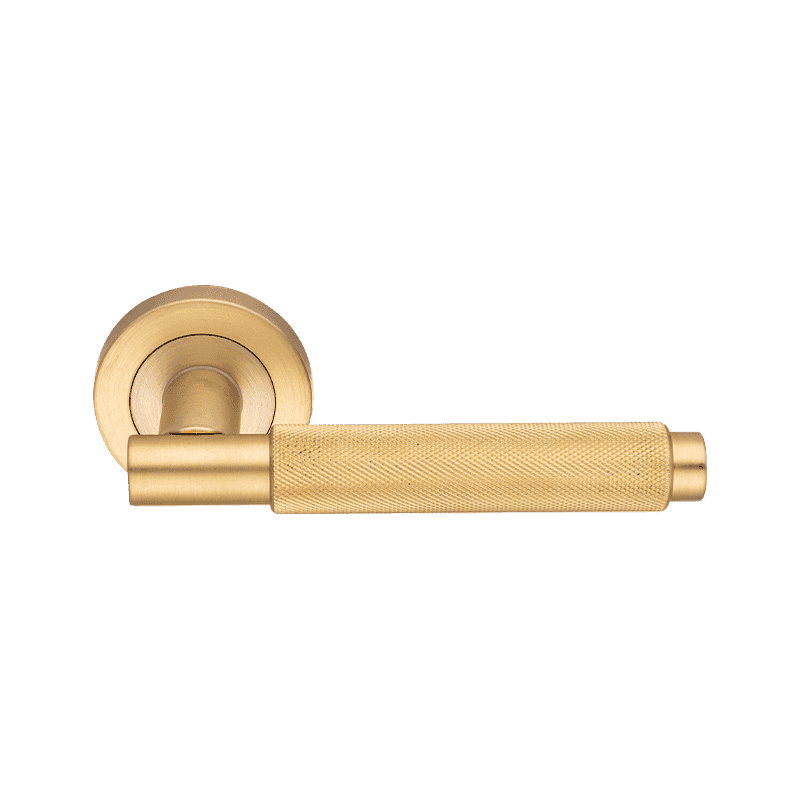
- Satin stainless steel (PVD coated): Physical Vapour Deposition (PVD) coating produces a finish that is approximately four times harder than standard chrome plating, according to the Surface Engineering Association. Highly resistant to tarnishing, corrosion, and cleaning chemical damage. The longest-lasting option for bathroom hardware.
- Brushed nickel: A popular mid-range choice that hides water spots and fingerprints better than polished finishes. Good corrosion resistance in normal bathroom humidity. Avoid lacquered brushed nickel — the lacquer peels in high-humidity environments within 3–5 years.
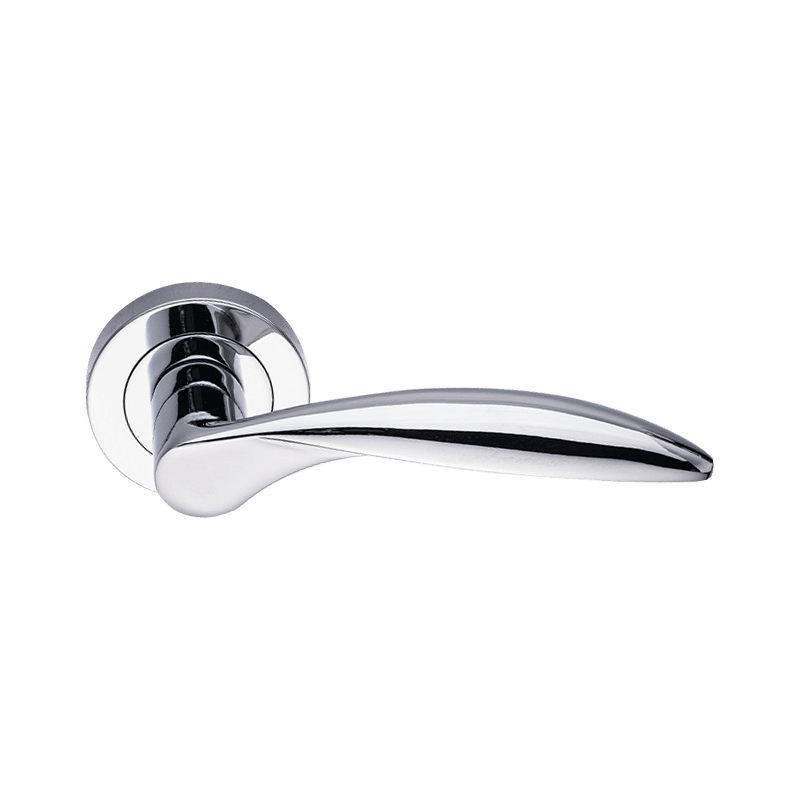
- Polished chrome: Classic appearance but shows water spots and fingerprints prominently. Durable if applied over solid brass or solid stainless — avoid chrome over zinc alloy (zamak), which corrodes at pin-holes in the plating within 2–4 years in humid conditions.
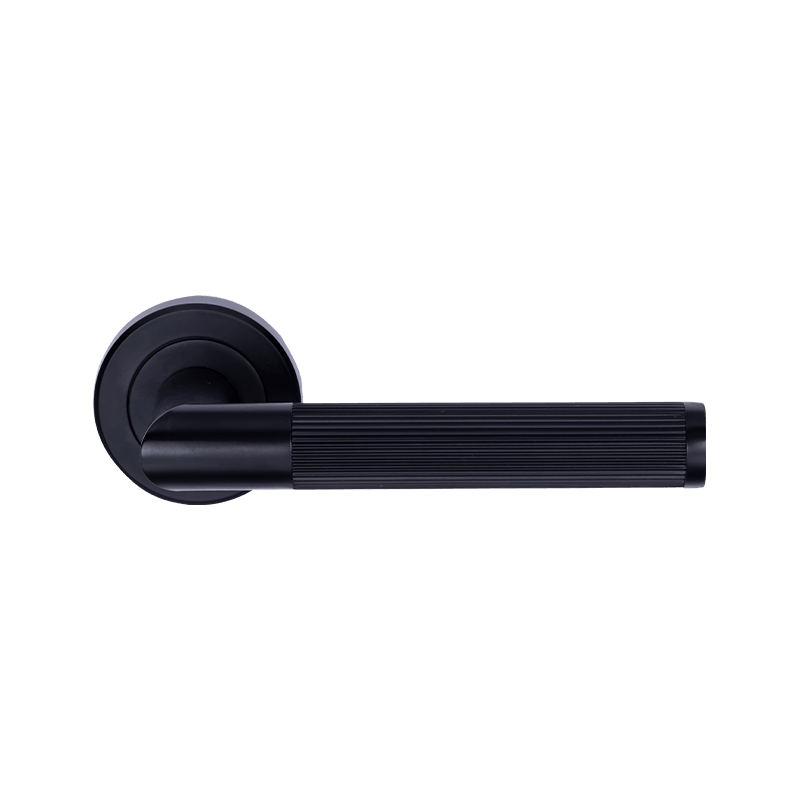
- Matte black: Highly fashionable currently but most vulnerable to visible wear. Powder-coated matte black is more durable than painted; PVD matte black is the most resistant version of this finish.
Frequently Asked Questions About Changing a Bathroom Door Handle
Can I replace a bathroom door handle without removing the door?
Yes — and in fact, leaving the door in place is the recommended approach for handle replacement. The door only needs to be removed if you are also replacing the latch mortise (the hole in the door edge) or enlarging the bore hole, which are rarely necessary when swapping a like-for-like handle. Working with the door hung on its hinges keeps everything aligned and makes it easy to test the latch engagement with the strike plate during installation.
How do I know if my replacement handle will fit my existing door holes?
Three measurements determine compatibility: the backset (distance from door edge to spindle center — standard sizes are 2-3/8 inch or 2-3/4 inch), the cross bore diameter (the main hole through the door face — standard is 2-1/8 inches / 54 mm in the US, 57 mm in the UK), and the door thickness (affecting spindle length). Most replacement handle sets sold today are designed to fit standard bore holes and both common backsets via an adjustable latch, so compatibility is rarely an issue when replacing a standard residential bathroom handle.
What do I do if the screw holes are stripped when I try to reinstall?
Stripped screw holes in a wooden door are a common problem on older doors with repeatedly removed and replaced handles. The most effective quick fix is to insert wooden toothpicks with wood glue into the stripped hole, allow to dry fully (minimum 2 hours), snap off the protruding ends flush, and re-drive the screw into the now-filled hole. For a more permanent fix, use a 6 mm or 1/4-inch drill to enlarge the hole, insert a wooden dowel with wood glue, allow to cure overnight, then re-drill a pilot hole at the correct diameter for the screw.
How much does it cost to change a bathroom door handle?
A replacement bathroom door handle set costs between $15 and $150 for a quality residential unit, with the majority of practical options falling in the $25–$60 range. If hiring a handyman or locksmith to perform the replacement, expect to pay an additional $50–$100 for labor, depending on your location — making a total installed cost of $75–$200 for a straightforward handle swap. According to HomeAdvisor's 2024 cost data, the national average cost for professional door hardware installation is $126, including parts and labor.
Do I need to change the strike plate when changing the door handle?
Not necessarily, but it is worth inspecting the strike plate while the handle is off. If the new latch bolt is a slightly different size or position than the old one, the bolt may not seat correctly in the existing strike plate hole. Minor misalignment can be corrected by filing the strike plate hole slightly in the direction needed — removing 1–3 mm of material is usually sufficient. If the old strike plate is heavily worn, corroded, or the screw holes are stripped out of the door frame, replacing it at the same time adds only $5–$15 to the total cost and ensures a secure, rattle-free latch engagement.
Can I change a bathroom door handle on a hollow-core door?
Yes — the vast majority of interior doors, including most bathroom doors, are hollow-core and all standard handle sets are designed for hollow-core installation. The cross-bore and latch mortise are pre-drilled through the solid wood stiles (the vertical edge frames) of the hollow door, not through the hollow center panel, so there is solid wood material throughout the bore area to support the handle. The only additional consideration is that hollow-core doors are more easily damaged by excessive through-bolt tightening — stop tightening as soon as the rose plate sits flush, do not continue applying torque.
Changing a bathroom door handle is one of the genuinely beginner-friendly home improvement tasks — the tools are minimal, the steps are logical, and the result is immediately visible and satisfying. The most important moments in the process are the preparation steps: measuring the backset before purchasing, identifying the fastening method before reaching for a screwdriver, and testing the latch engagement before fully tightening the assembly. Get those three things right and the rest of the job follows naturally.
With the right replacement handle selected and 20 minutes of focused attention, you will have a fully functional, properly fitted bathroom door handle — installed correctly, at a fraction of the cost of a professional callout.